
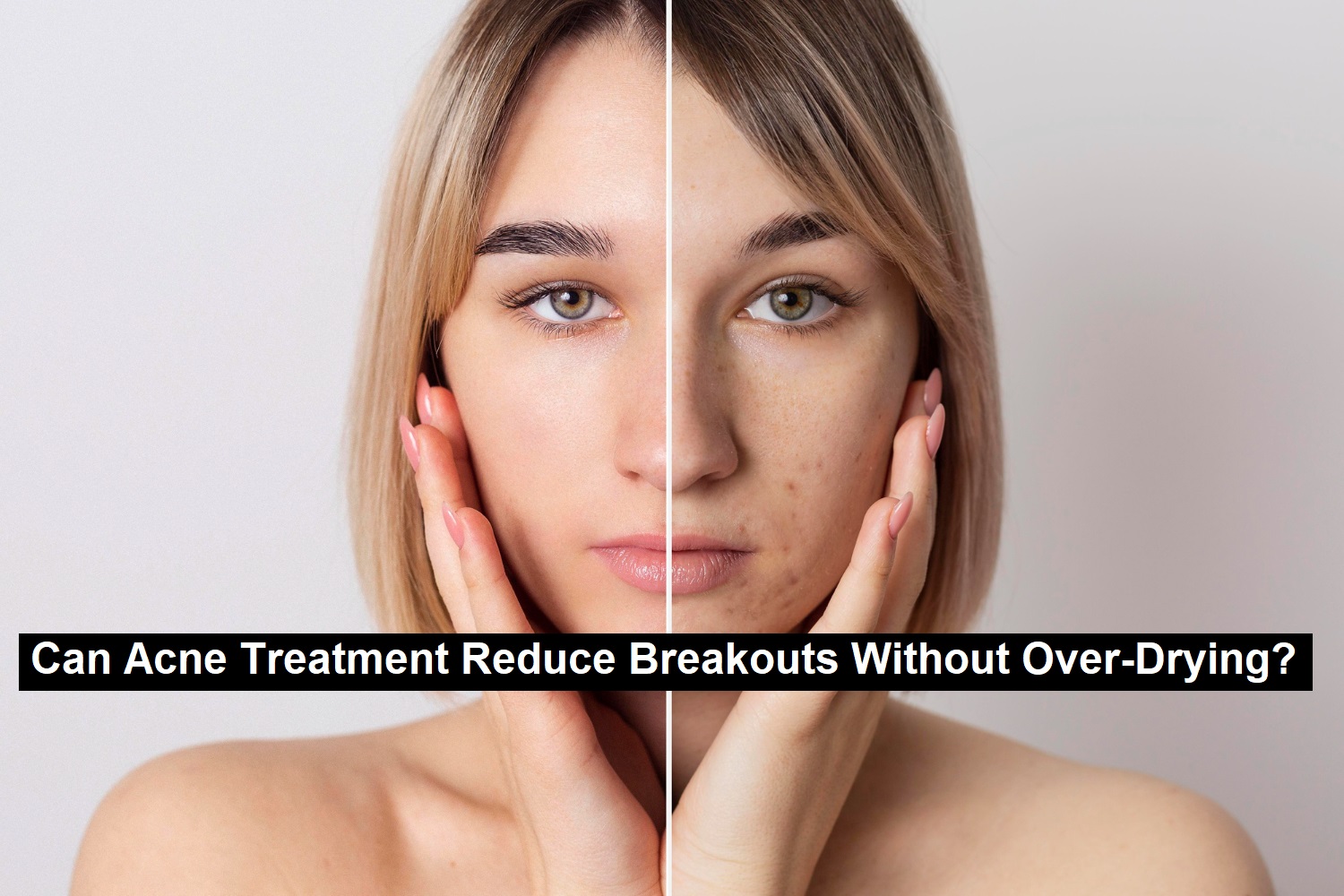
Acne is a chronic inflammatory condition of the pilosebaceous unit involving excess sebum production, follicular obstruction, microbial activity, and immune-mediated inflammation. While many acne treatments historically focused on aggressively reducing oil and drying the skin, this approach is not always medically optimal. Excessive dryness can impair the skin barrier, increase irritation, and paradoxically worsen inflammation in some individuals.
As people age, skin physiology changes in ways that influence acne management. Sebum production tends to decline gradually after early adulthood, epidermal turnover slows, and the stratum corneum becomes more vulnerable to disruption. Collagen production also decreases by approximately 1% per year after early adulthood, meaning that poorly controlled inflammation carries a higher risk of scarring and prolonged pigmentation. For individuals researching options such as best acne treatment Singapore, understanding how acne can be controlled without over-drying the skin is increasingly relevant for maintaining both skin health and long-term treatment tolerance.
Why Preserving Skin Hydration Matters in Acne Care Over Time
The skin barrier plays a central role in regulating water loss, preventing microbial invasion, and modulating inflammatory signaling. When acne treatments excessively strip surface lipids or disrupt the stratum corneum, transepidermal water loss increases and inflammatory pathways may become more active.
Barrier disruption can lead to:
- Increased skin sensitivity and irritation
- Delayed healing of active lesions
- Compensatory sebum overproduction in response to dryness
- Reduced adherence to treatment due to discomfort
In younger skin, barrier disruption may be tolerated more easily. With age, however, reduced lipid production and slower cellular renewal make excessive dryness more likely to cause persistent irritation. A balanced approach that reduces acne activity while preserving hydration is therefore medically important for long-term skin stability.
Screening, Prevention, and Early Assessment of Acne and Skin Type
Effective acne management begins with clinical evaluation of acne severity, lesion type, and baseline skin characteristics. Acne is not a uniform condition, and treatment should account for both inflammatory activity and barrier resilience.
Assessment typically includes:
- Lesion type (comedonal, inflammatory, nodular, or cystic)
- Distribution patterns (forehead, jawline, cheeks, trunk)
- Duration, recurrence frequency, and scarring risk
- Baseline skin hydration, sensitivity, and barrier integrity
- Potential hormonal, medication-related, or lifestyle contributors
Early identification of individuals prone to irritation or post-inflammatory hyperpigmentation allows clinicians to choose treatments that minimize dryness while still controlling inflammation. Screening also helps differentiate acne from conditions such as rosacea or folliculitis, which may worsen with overly drying therapies.
Daily Care and Lifestyle Factors That Influence Acne Without Over-Drying
Daily skincare habits strongly influence whether acne improves without causing excessive dryness. Over-cleansing, abrasive scrubs, and frequent exfoliation can damage barrier lipids and increase inflammatory signaling.
Key daily care considerations include:
- Using gentle, pH-balanced cleansers once or twice daily
- Avoiding harsh alcohol-based toners or aggressive exfoliants
- Applying non-comedogenic moisturizers containing ceramides, glycerin, or hyaluronic acid
- Using broad-spectrum sunscreen (SPF 30+) to reduce inflammation and post-acne pigmentation
- Managing stress, as elevated cortisol may increase sebaceous activity and inflammatory mediators
- Maintaining adequate sleep and avoiding smoking, which can impair skin healing
Moisturization is often underutilized in acne care due to concerns about clogging pores. However, appropriately formulated moisturizers may improve barrier function and increase tolerance to active treatments without exacerbating breakouts.
Read: How to Choose the Right Foundation for your Skin Tone and Type
Age-Related and Chronic Conditions That Affect Acne and Skin Dryness
Acne in adulthood often overlaps with other chronic or age-related skin conditions that influence treatment tolerance. Hormonal acne, frequently concentrated along the jawline and chin, may be more inflammatory and less oily than adolescent acne.
Rosacea can present with acne-like lesions but requires a gentler approach, as overly drying acne treatments may worsen facial flushing and sensitivity. Seborrheic dermatitis may contribute to flaking and irritation around the scalp and nasal folds, complicating acne management.
Individuals with eczema or a history of sensitive skin may be more susceptible to barrier damage, requiring more conservative dosing and supportive skincare. During perimenopause, hormonal shifts may further reduce baseline skin hydration, increasing the risk of over-drying with standard acne regimens.
Prescription Treatments Versus Over-the-Counter Options
Over-the-counter acne products typically contain lower concentrations of active ingredients. Benzoyl peroxide is commonly available at 2.5–5%, and salicylic acid at 0.5–2%. While these agents may reduce bacterial load and follicular obstruction, they can cause dryness or irritation if used excessively or without barrier support.
Prescription therapies allow more targeted modulation of acne pathways with greater control over formulation and dosing. Topical retinoids such as adapalene 0.1–0.3% or tretinoin 0.025–0.1% normalize follicular keratinization and prevent microcomedone formation. When introduced gradually and paired with moisturizers, retinoids can be effective without causing excessive dryness.
Other prescription options include:
- Topical antibiotics (often combined with benzoyl peroxide) to reduce inflammatory lesions
- Oral antibiotics for defined courses in moderate to severe acne
- Hormonal therapies in hormonally driven acne
- Oral retinoids in selected severe or treatment-resistant cases
Clinical improvement typically becomes noticeable after 8–12 weeks of consistent use. Adjusting application frequency, concentration, and supportive skincare may reduce irritation while maintaining therapeutic benefit.
In-Clinic Procedures That Support Acne Control Without Excessive Dryness
In-clinic treatments can complement topical and systemic therapy while minimizing surface irritation. Chemical peels using low concentrations of salicylic or glycolic acid promote controlled exfoliation and comedone reduction without prolonged barrier disruption when performed at appropriate intervals.
Laser and light-based therapies target acne through non-drying mechanisms. Blue light therapy reduces Cutibacterium acnes activity by activating bacterial porphyrins. Nd:YAG and diode lasers deliver controlled thermal energy to reduce sebaceous gland activity gradually, leading to more balanced oil production rather than abrupt dryness.
Intense pulsed light (IPL) may help reduce inflammatory redness and vascular signaling associated with acne. Radiofrequency microneedling is more commonly used for acne scarring but may support dermal remodeling once active inflammation is controlled.
These procedures are typically adjunctive and selected based on acne severity, skin type, downtime tolerance, and risk of post-inflammatory hyperpigmentation.
What Our Aesthetic Clinic Says
In my clinical experience, many patients assume that effective acne treatment must feel drying or irritating. In reality, excessive dryness often indicates barrier disruption rather than improved acne control.
I focus on balancing inflammation reduction with barrier preservation. Adjusting concentrations, spacing applications, and incorporating appropriate moisturization often improves both comfort and long-term outcomes. Patients who tolerate their regimen well tend to maintain treatment consistency, which is often more important than using the strongest possible medication.
Putting This Into Practice
- Use gentle cleansers and avoid over-washing
- Apply non-comedogenic moisturizers daily to support barrier function
- Introduce active acne treatments gradually to minimize irritation
- Protect skin with broad-spectrum sunscreen
- Monitor skin response and adjust frequency if persistent dryness occurs
- Follow prescribed regimens consistently for at least 8–12 weeks
When to Seek Professional Help
- Acne persists despite over-the-counter products
- Treatments cause excessive dryness, peeling, or irritation
- Breakouts are painful, cystic, or spreading
- Scars or dark marks begin to develop
- Adult-onset acne appears without a clear trigger
- Acne affects quality of life or emotional well-being
Commonly Asked Questions
Does acne treatment need to dry out the skin to work?
Not necessarily. Effective acne control focuses on reducing inflammation and follicular blockage, not damaging the skin barrier.
Can moisturizers worsen acne?
Appropriately formulated non-comedogenic moisturizers typically do not worsen acne and may improve treatment tolerance.
How long does it take to see improvement without over-drying?
Most acne treatments require 8-12 weeks for visible improvement, regardless of dryness level.
Are gentler acne treatments less effective?
When used consistently and appropriately, gentler regimens may achieve comparable results over time with better tolerability.
Should acne treatment change as skin ages?
Yes. As skin becomes drier and more sensitive, treatment strategies often need adjustment to preserve hydration while maintaining acne control.
Next Steps
Acne can often be managed effectively without excessive dryness when treatment is guided by skin biology rather than outdated assumptions. Preserving barrier function supports long-term adherence, reduces irritation, and promotes healthier skin over time. If current acne treatments cause persistent dryness or fail to control breakouts, consultation with a dermatologist can help establish a balanced, evidence-based plan tailored to your skin’s needs and long-term health.